Vacuum Line Repair in DFW
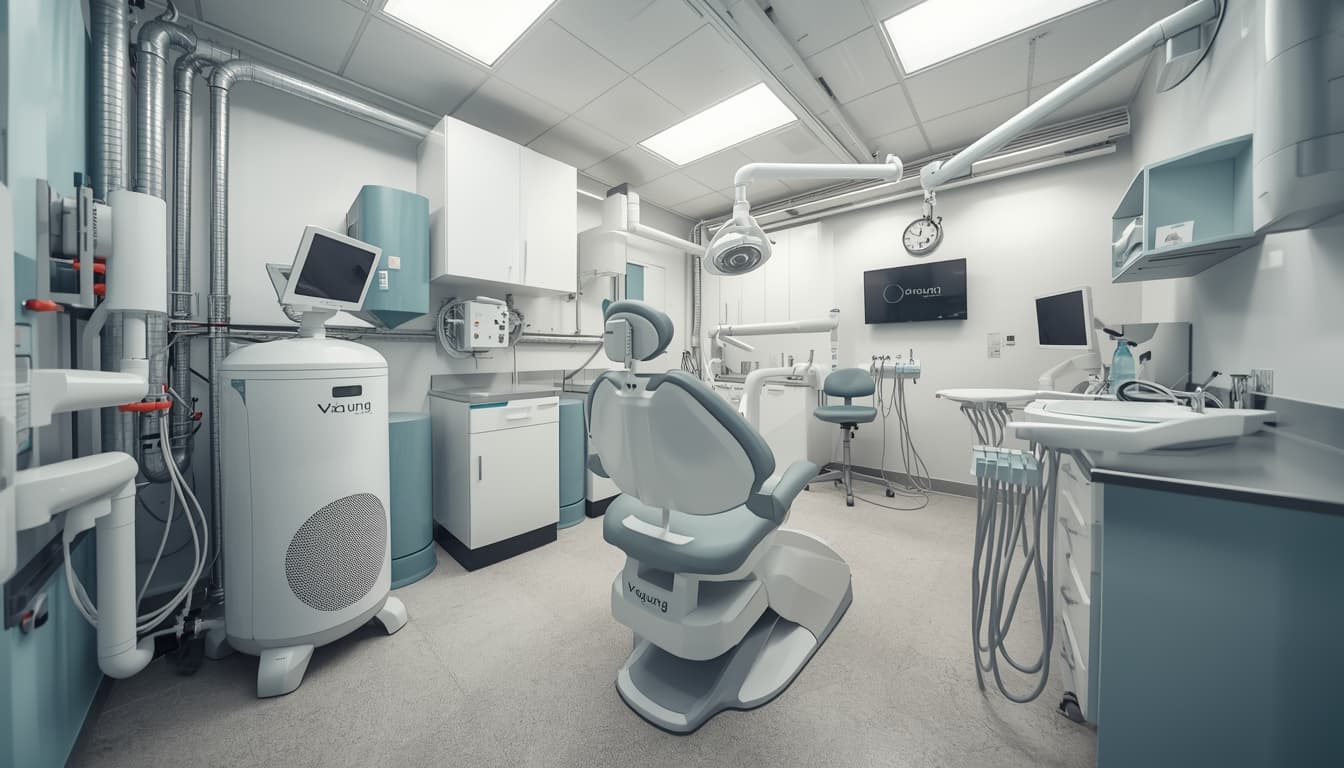
When your vacuum line collapses in the wall cavity, it can cause a significant loss of suction, affecting your entire practice.
About Vacuum Line Repair
Imagine your dental office in Arlington suddenly loses suction during a busy afternoon. This could be due to a vacuum line collapse in the wall cavity, which is a common failure. Staff may notice that the suction is weak or non-existent, affecting procedures. Whether you’re in Dallas or Fort Worth, we’re here to help restore functionality quickly.
When to Call for Emergency Service
- Suction pressure drops significantly during procedures
- Hissing or whistling sounds from the vacuum line
- Visible damage or kinks in the vacuum line
- Liquid pooling at the chair connection
Professional Vacuum Line Repair Services
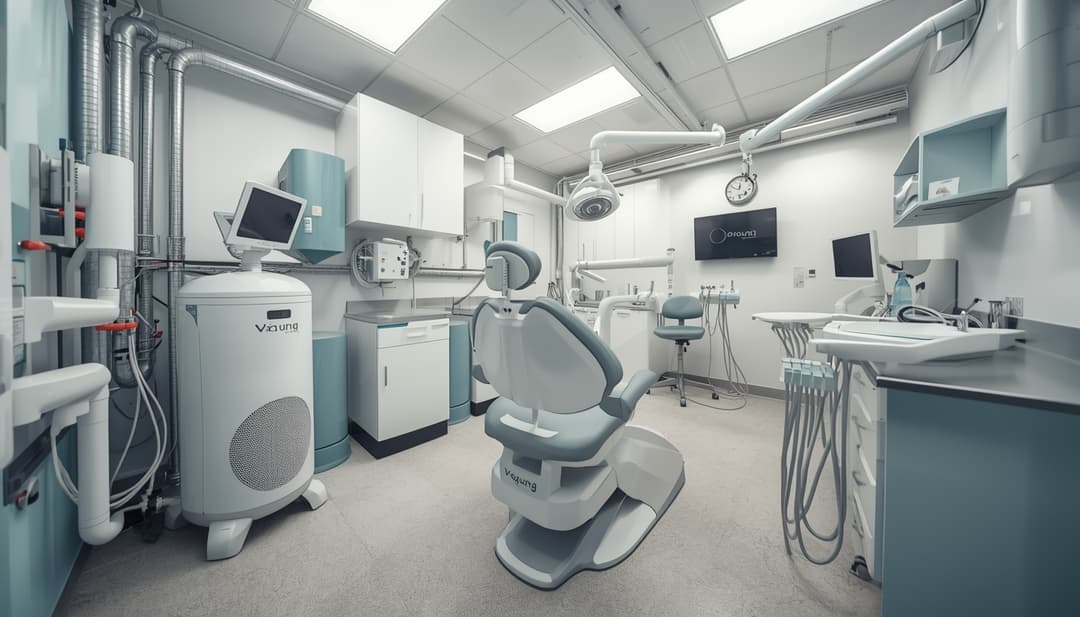
Our certified technicians have the expertise and equipment to diagnose and repair vacuum line repair issues quickly, minimizing downtime for your practice.
- Factory-trained technicians
- OEM and quality aftermarket parts
- Service warranty included
Common Issues We Handle
Our experienced technicians are equipped to diagnose and repair a wide range of problems quickly and efficiently.
Collapsed Vacuum Line in Wall Cavity
Signs & Symptoms
- Suction pressure fluctuates unexpectedly
- Staff notice a hissing noise from the wall
- Inconsistent performance from suction devices
Our Solution
- Inspect wall cavities for visible damage
- Use a pressure gauge to measure suction levels
- Repair or replace the collapsed line as needed
PVC Joint Separation Causing Suction Loss
Signs & Symptoms
- Weak suction when using handpieces
- Air escaping from joints in the vacuum line
- Unusual noises indicating air leaks
Our Solution
- Identify the location of the separation
- Reattach or replace the joint to restore seal
- Test the system to ensure proper suction
Flexible Hose at Chair Connection Deteriorated
Signs & Symptoms
- Suction loss at the chair during procedures
- Visible cracks or wear on the flexible hose
- Frequent need to adjust suction settings
Our Solution
- Examine the flexible connection at the chair
- Replace deteriorated hoses with new ones
- Calibrate the system for optimal performance
Incorrect Line Pitch Causing Liquid Pooling
Signs & Symptoms
- Pooling liquid at the chair connection
- Suction system unable to handle debris effectively
- Frequent clogs in the vacuum line
Our Solution
- Assess the incline of the vacuum lines
- Re-route lines for proper drainage
- Clear any blockages and test for efficiency
Branch Line Diameter Undersized for Demand
Signs & Symptoms
- Inadequate suction for multiple procedures
- Suction pressure drops when multiple units are in use
- Staff report slower evacuation times
Our Solution
- Measure existing branch line diameters
- Recommend upgrades to larger diameter lines
- Install new lines to better meet demand
Vacuum Line Repair Troubleshooting Guide
Our technicians follow a systematic approach to diagnose and resolve vacuum line repair issues efficiently.
Vacuum Line Repair Troubleshooting Guide
Common Warning Signs
- Vacuum line collapsed in wall cavity
- PVC joint separation causing suction loss
- Cleanout access point not sealing after maintenance
- Line pitch incorrect causing liquid pooling
- Branch line diameter undersized for demand
- Flexible hose at chair connection deteriorated
Our Repair Process
- Technician diagnoses suction issues using pressure testing
- Identify specific failure points in the vacuum line
- Perform necessary repairs or replacements based on findings
- Test the system to ensure full functionality before leaving
Serving Dallas–Fort Worth: Dallas, Fort Worth, Plano, Frisco, McKinney, Arlington, Irving, Grand Prairie, Prosper, Allen
How It Works
Getting help is quick and easy. Here's our simple process.
Technician diagnoses suction issues using pressure testing
Identify specific failure points in the vacuum line
Perform necessary repairs or replacements based on findings
Test the system to ensure full functionality before leaving
Serving DFW, TX and Surrounding Areas
Our vacuum line repair service covers the entire Dallas–Fort Worth area, including cities like Plano, Frisco, McKinney, and Arlington, ensuring fast response times for your practice.
Frequently Asked Questions
Common questions about vacuum line repair in DFW
How long does vacuum line repair take?
Most vacuum line repairs can be completed within 1-3 hours, depending on the complexity of the issue and part availability.
Can we continue seeing patients if the vacuum line fails?
It's best to halt procedures if you notice significant suction loss. Continuing can lead to complications during treatments.
What causes a vacuum line to collapse?
Common causes include improper installation, age-related wear, or heavy weight on the lines. Regular inspections can help prevent issues.
What factors affect the cost of vacuum line repair?
Costs can vary based on the type of failure, required parts, and labor time. Your technician will provide an estimate before starting repairs.
How can we prevent vacuum line issues?
Regular maintenance checks, including inspections for wear and proper line pitch, can help prevent unexpected failures in your vacuum system.
Related Services in DFW
Explore other services we provide in your area
Need Vacuum Line Repair Help in DFW?
Don't let equipment issues slow down your practice. Get connected with a certified technician today.